
Unlock Your Project's Potential with Professional Drone Services
In today's fast-paced world, the demand for innovative solutions in project management is at an all-time high. One of the most exciting advancements in this field is the use of professional drone services. These aerial technologies are transforming how we approach various projects, from construction and agriculture to real estate and environmental monitoring. Drones offer a unique perspective, enabling teams to gather data, conduct inspections, and visualize projects in ways that were previously unimaginable.
In this blog post, we will explore how professional drone services can unlock your project's potential, the benefits they offer, and practical examples of their application across different industries.
Understanding Drone Technology
Before diving into the benefits of drone services, it's essential to understand what drones are and how they work. Drones, or unmanned aerial vehicles (UAVs), are equipped with cameras and sensors that allow them to capture high-resolution images and data from the sky. They can be controlled remotely or programmed to fly autonomously, making them versatile tools for various applications.
Types of Drones
There are several types of drones, each designed for specific tasks:
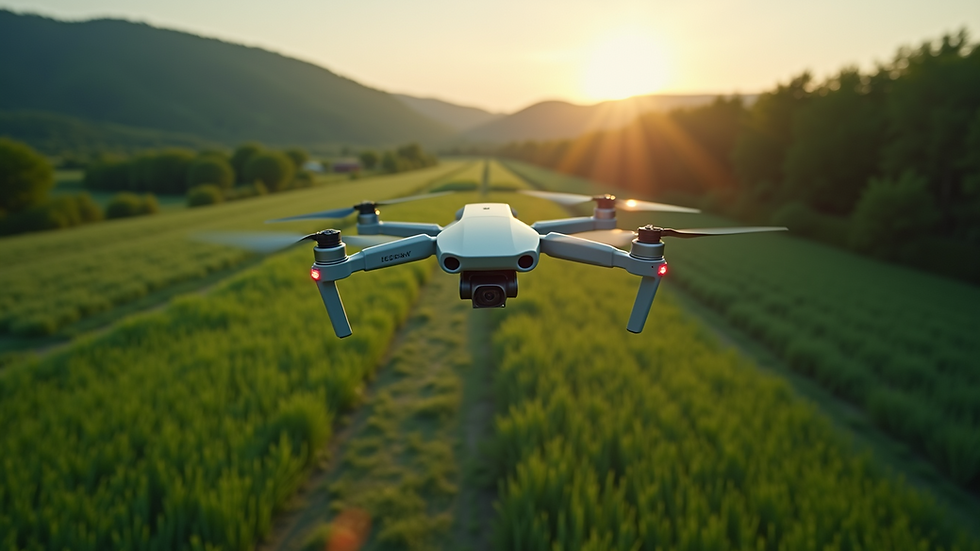
Multirotor Drones: These are the most common type, featuring multiple rotors that provide stability and maneuverability. They are ideal for aerial photography and surveying.
Fixed-Wing Drones: These drones resemble traditional airplanes and are suitable for covering large areas quickly. They are often used in agricultural monitoring and mapping.
Hybrid Drones: Combining the features of both multirotor and fixed-wing drones, these are versatile and can be used for various applications.
Benefits of Professional Drone Services
Enhanced Data Collection
One of the primary advantages of using drones is their ability to collect data more efficiently than traditional methods. Drones can cover large areas in a fraction of the time it would take a ground crew. This speed allows for quicker decision-making and project adjustments.
Example: In construction, drones can conduct site surveys in minutes, providing real-time data that helps project managers assess progress and identify potential issues early.
Cost-Effectiveness
Utilizing drone services can significantly reduce costs associated with manual inspections and data collection. Traditional methods often require extensive manpower and equipment, leading to higher expenses. Drones streamline these processes, allowing for more efficient resource allocation.
Example: A utility company using drones for power line inspections can save thousands of dollars by reducing the need for scaffolding and manual labor.
Improved Safety
Drones can access hard-to-reach or hazardous areas without putting personnel at risk. This capability is particularly valuable in industries such as construction, mining, and disaster response, where safety is a top priority.
Example: In the aftermath of a natural disaster, drones can assess damage and identify hazards without endangering first responders.
High-Quality Imaging and Mapping
Drones equipped with high-resolution cameras and advanced sensors can capture detailed images and create accurate maps. This capability is invaluable for various applications, including land surveying, environmental monitoring, and real estate marketing.
Example: Real estate agents can use drone footage to showcase properties from unique angles, attracting more potential buyers.
Real-Time Monitoring
With the ability to transmit data in real-time, drones enable project managers to monitor progress and make informed decisions on the fly. This feature is particularly beneficial for large-scale projects that require constant oversight.
Example: In agriculture, farmers can use drones to monitor crop health and irrigation needs, allowing for timely interventions that improve yields.
Applications of Drone Services Across Industries
Construction
In the construction industry, drones are revolutionizing project management. They can conduct site surveys, monitor progress, and provide aerial imagery for marketing purposes. By integrating drone technology into their workflows, construction companies can enhance efficiency and reduce costs.
Case Study: A construction firm used drones to survey a large site, resulting in a 30% reduction in survey time and a 20% decrease in costs associated with manual inspections.
Agriculture
Drones are becoming increasingly popular in agriculture, where they are used for crop monitoring, soil analysis, and irrigation management. Farmers can gather data on crop health, identify pest infestations, and optimize resource use.
Example: A vineyard owner utilized drones to assess grape health, leading to improved yield quality and reduced pesticide use.
Environmental Monitoring
Drones play a crucial role in environmental monitoring, allowing researchers to collect data on ecosystems, wildlife, and natural resources. They can access remote areas and provide valuable insights into environmental changes.
Example: Environmental scientists used drones to monitor deforestation in a remote rainforest, enabling them to track changes over time and develop conservation strategies.
Real Estate
In real estate, drone services offer a unique way to showcase properties. Aerial footage can highlight features that traditional photography cannot capture, making listings more attractive to potential buyers.
Example: A real estate agency reported a 40% increase in inquiries after incorporating drone footage into their property listings.
Choosing the Right Drone Service Provider
When considering professional drone services, it's essential to choose a provider that meets your project's specific needs. Here are some factors to consider:
Experience and Expertise
Look for a provider with a proven track record in your industry. Experienced drone operators will understand the unique challenges and requirements of your project.
Equipment Quality
Ensure that the drone service provider uses high-quality equipment. Advanced drones with high-resolution cameras and sensors will yield better data and imagery.
Compliance and Safety
Verify that the provider adheres to local regulations and safety standards. This compliance is crucial for ensuring safe and legal drone operations.
Customer Support
Choose a provider that offers excellent customer support. They should be responsive to your inquiries and willing to assist you throughout the project.
The Future of Drone Services
As technology continues to advance, the capabilities of drones will expand even further. Innovations such as artificial intelligence and machine learning will enhance data analysis, making drones even more valuable in project management.
Emerging Trends
Autonomous Drones: Future drones may operate entirely autonomously, requiring minimal human intervention. This advancement could further streamline data collection and monitoring processes.
Integration with Other Technologies: Drones will increasingly integrate with other technologies, such as IoT devices and cloud computing, to provide more comprehensive data solutions.
Conclusion
Professional drone services are unlocking new possibilities for project management across various industries. By enhancing data collection, improving safety, and providing high-quality imaging, drones are transforming how we approach projects. As technology continues to evolve, the potential for drones will only grow, making them an invaluable asset for any project.
If you're looking to elevate your project to new heights, consider incorporating professional drone services into your strategy. The benefits are clear, and the future is bright for those willing to embrace this innovative technology.


Comments